Seasonal peaks are some of the busiest and most profitable times of the year for many businesses. Christmas, summer holidays, back-to-school shopping, and other key events bring an increase in demand that can transform your sales figures. To take full advantage, you need to plan your print marketing carefully so that your brand is visible, consistent, and ready to capture customer attention when competition is at its highest.
Why Seasonal Print Marketing Matters
During peak seasons, customers are bombarded with offers, adverts, and campaigns from every direction. While digital channels are important, print marketing provides a physical connection that stands out in a crowded market. A custom flyer handed to a customer, a poster displayed in a busy shopfront, or a banner at a local event creates a memorable impression that digital screens cannot replace. Print also offers longevity. A well-designed brochure can stay in front of your audience long after an online advert has disappeared.
When your seasonal campaign includes printed materials, you reinforce your message at multiple touchpoints. This helps you build trust, increase recognition, and ultimately drive more sales at the time when people are most willing to spend.
The Importance of Early Planning
Timing is everything when it comes to seasonal marketing. Leaving your print campaigns until the last minute often results in rushed designs, production delays, or missed opportunities. The best approach is to start preparing at least two or three months before your key season begins.
For example, businesses planning Christmas promotions should have their designs ready by early autumn. Summer campaigns should be considered during spring, and back-to-school promotions should be in progress by the start of the summer holidays. By preparing early, you give yourself enough time to refine your message, approve artwork, and ensure print materials are delivered and distributed in good time. Planning ahead also helps you avoid paying higher prices for urgent print runs or missing out on prime advertising spaces.

Choosing the Right Print Materials
One of the most important steps in planning is deciding which printed items will have the greatest impact. The best choice depends on your audience and your goals. A retailer looking to draw more people into their shop may rely on eye-catching posters and window graphics. An events business might focus on durable PVC banners that can withstand outdoor conditions. A company launching a seasonal product range could benefit from a detailed brochure that showcases new arrivals.
Print marketing works best when you create a mix of materials that complement each other. A flyer handed out in the street could direct customers to a seasonal catalogue, which in turn might include a voucher that can only be redeemed in-store. This kind of integrated approach keeps your brand in front of people at different stages of their buying journey and increases the chances of turning interest into action.
Making Print Work with Digital
It is easy to treat print and digital as separate channels, but the most effective seasonal campaigns use them together. A poster can feature a QR code that links directly to your website. A branded leaflet might direct customers to follow your business on social media for exclusive seasonal offers. Consistency is key. The same colour palette, messaging, and tone of voice should flow across both print and online platforms so that customers instantly recognise your brand wherever they see it.
By aligning print with digital, you not only expand your reach but also make it easier to track results. For example, using unique discount codes on printed flyers helps you measure exactly how much business those campaigns generate. This insight can then shape how you plan for the next peak season.
How to Build a Successful Seasonal Print Campaign
A strong seasonal campaign begins with a clear goal. Ask yourself whether you want to increase footfall, raise brand awareness, or generate direct sales. Once your goal is clear, focus on the design and message. Seasonal themes such as festive colours or summer imagery make your campaign more relatable, but it is important to combine them with strong calls to action. Urgency and exclusivity are particularly effective during peak times, when customers are keen to take advantage of limited offers.
Execution is equally important. High-quality printing ensures your materials look professional and reflect well on your business. Distribution should also be carefully planned. Placing posters in high-traffic areas, delivering leaflets to targeted households, or providing brochures at events ensures your materials reach the right audience at the right time.
Tracking and reviewing your results after the season ends is the final piece of the puzzle. By analysing which print materials performed best, you can refine your approach and be even better prepared for the next peak.
Final Thoughts
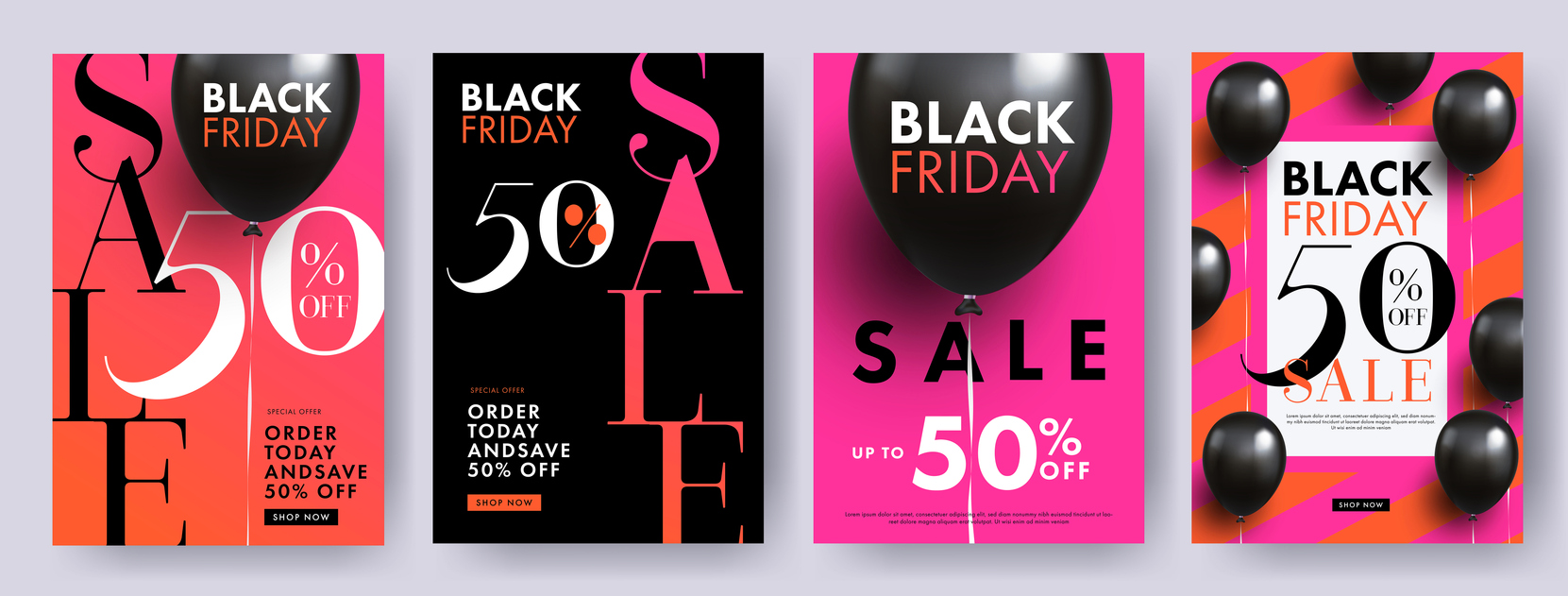
Seasonal peaks are crucial opportunities that no business can afford to waste. By planning your print marketing in advance, choosing the right materials, planning your distribution channels, and aligning your campaigns with digital channels, you can maximise your visibility and build stronger connections with your audience. Print remains a powerful tool because it is tangible, trusted, and memorable. With the right preparation, it becomes the difference between blending in and standing out during the busiest times of the year.
If you are preparing for an upcoming seasonal campaign, now is the time to act. Contact TeesPrint today to discuss your print marketing needs and ensure your business is ready to make the most of every peak season.

